
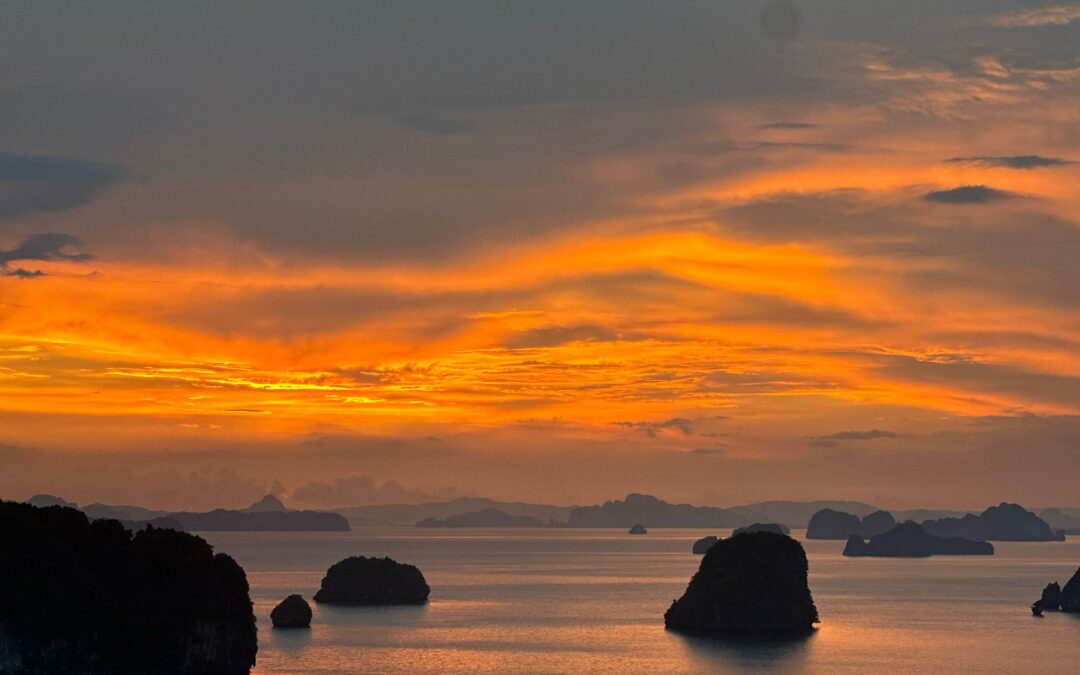

“Culture is not soft. It is steel and stone in another form — infrastructure that binds identity to growth.”
– Nisaa Jetha
For years, culture was treated as an accessory; a matter of heritage, symbolism, and diplomacy. It was described as “soft power,” useful for shaping perception but peripheral to the work of markets. That vocabulary no longer fits.
The creative economy is now valued at over $2.3 trillion annually, contributing more than 3% of global GDP (UNESCO, UNCTAD). It employs close to 50 million people worldwide, with young people making up nearly half of its workforce. What was once viewed as intangible has become one of the fastest-growing economic engines of our time — a system of capital built not on extraction, but on imagination.
From Soft to Hard Capital
Every era has its infrastructure. Railways once carried the steel of industry. Ports and highways underpinned trade. Today, it is creative ecosystems — studios, festivals, cultural districts, and digital platforms — that organise value.
The multiplier effects are extraordinary: according to OECD and UNCTAD, every $1 invested in culture generates between $4 and $6 in wider economic activity. Beyond GDP, creative sectors drive spillovers into tourism, retail, technology, and education. They transform neighborhoods into hubs of regeneration and cities into magnets for talent.
Creative Finance: Unlocking Capital for Imagination
Finance is catching up to what artists, designers, and producers have known all along. New cultural finance architectures are emerging:
- Tax credits and incentives have positioned cities like Toronto, London, and Atlanta as global film capitals.
- Blended finance models are de-risking cultural infrastructure by combining public guarantees with private equity.
- Heritage assets — once dormant palaces, warehouses, and theatres are being re-purposed into co-working spaces, performance hubs, and creative accelerators.
According to the World Bank, cultural and creative industries are among the most resilient sectors to economic shocks, with digital platforms accelerating growth during COVID-19. Streaming, gaming, and design software all expanded while other industries contracted.
“This is why capital markets are beginning to treat culture as investable. Creative projects are no longer footnotes to philanthropy; they are moving onto balance sheets.”
Public–Private Co-Creation
Governments now recognise that culture is not subsidy but co-investment. When they fund cultural districts, private capital follows. The UK creative industries already contribute £126 billion annually, more than aerospace, automotive, and life sciences combined (DCMS, 2024). In South Korea, the rise of K-culture from film to music to gaming; added more than $12 billion in exports in 2022, shaping not only GDP but also diplomacy.
Cities from Lagos to Dubai are positioning themselves as global creative capitals, leveraging culture to diversify economies, attract tourism, and anchor long-term competitiveness. The logic is clear: culture is infrastructure, and infrastructure is destiny.
The Future Workforce
The creative economy is also a generator of new roles. UNESCO notes that nearly half of those employed in the sector are under 30, making it one of the youngest industries in the world. These are not traditional jobs, they are hybrids where technology and creativity converge.
Cultural technologists, immersive designers, AI-driven storytellers: these are the jobs automation cannot replace because they rely on imagination, synthesis, and cultural fluency. They are also disproportionately inclusive with higher rates of female and minority participation than many legacy industries.
The future of work is not only digital; it is creative.
Strategic Resonance
Culture, then, is not ornament but operating system. Its resonance is threefold:
-
-
- Multiplier Effect: Expanding local GDP, regenerating neighborhoods, and sustaining entrepreneurship.
- Soft Power: Shaping influence, diplomacy, and global alliances.
- Competitiveness: Creating innovation ecosystems that attract talent and capital, strengthening national and city brands.
-
In an age where there is a move toward de-globalisation and fragmentation, culture endures. It builds resilience because it is rooted in identity and imagination; assets no market cycle can erase.
Toward a New Chapter
The creative economy has moved from emerging to part of the main picture. The question is not whether it matters, but whether policymakers, investors, and institutions can design the frameworks to let it scale with intention.
Culture is no longer soft power at the margins. It is hard infrastructure at the centre — steel made of stories, architecture made of imagination, and capital made of culture.
About Nisaa Jetha
Nisaa Jetha is a London-based global strategist, solicitor, and impact innovator working at the intersection of law, finance, and culture. Her work bridges creative capital and systems change, engaging family offices, multilateral bodies, and next-gen leaders across emerging and developed markets.